Psoriasis - a chronic autoimmune skin disease

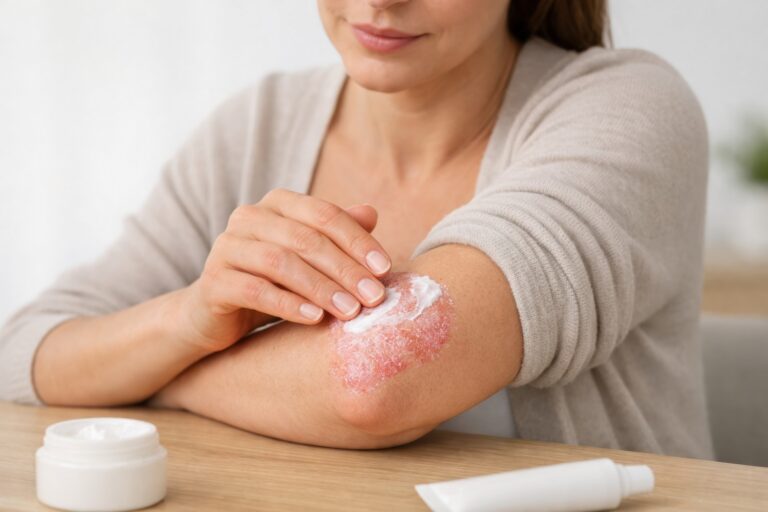
Psoriasis is a chronic inflammatory skin disease, the essence of which is the excessive and accelerated production of epidermal cells. In a healthy person, the cell renewal cycle lasts about 28 days, while in people with psoriasis it can shorten to as little as 3-4 days. This results in the formation of characteristic, scaly lesions on the skin – red, well-demarcated patches covered with silvery scales.
The disease has an autoimmune basis, which means that the immune system mistakenly attacks its own skin cells. In the course of psoriasis, excessive activity of T lymphocytes is observed, which trigger the inflammatory process and accelerate the proliferation of keratinocytes. The causes of the disease are multifactorial – they include genetic predisposition, environmental factors, stress, infections or certain medications.
Psoriasis comes in various forms – the most common is plaque psoriasis, but there can also be pustular forms, inverted forms or psoriatic arthritis, which affects the joints and periarticular tissues.
The disease is chronic and recurrent – symptoms may resolve spontaneously or under treatment, but there is currently no complete cure. Effective management of psoriasis is based on a multidimensional approach: pharmacological, dermatological, as well as lifestyle modification and psychological support, which significantly improves the comfort of patients’ lives.

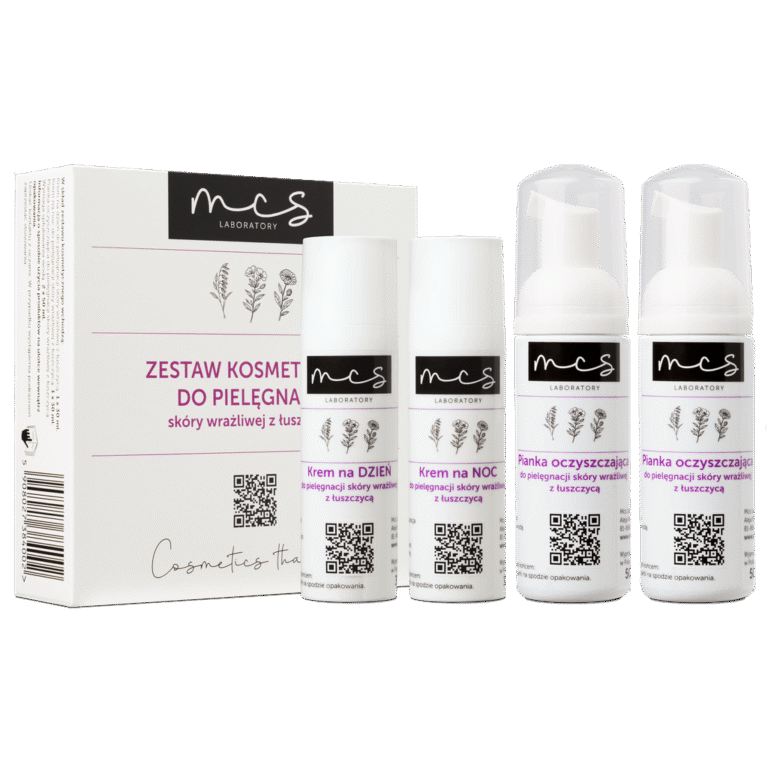
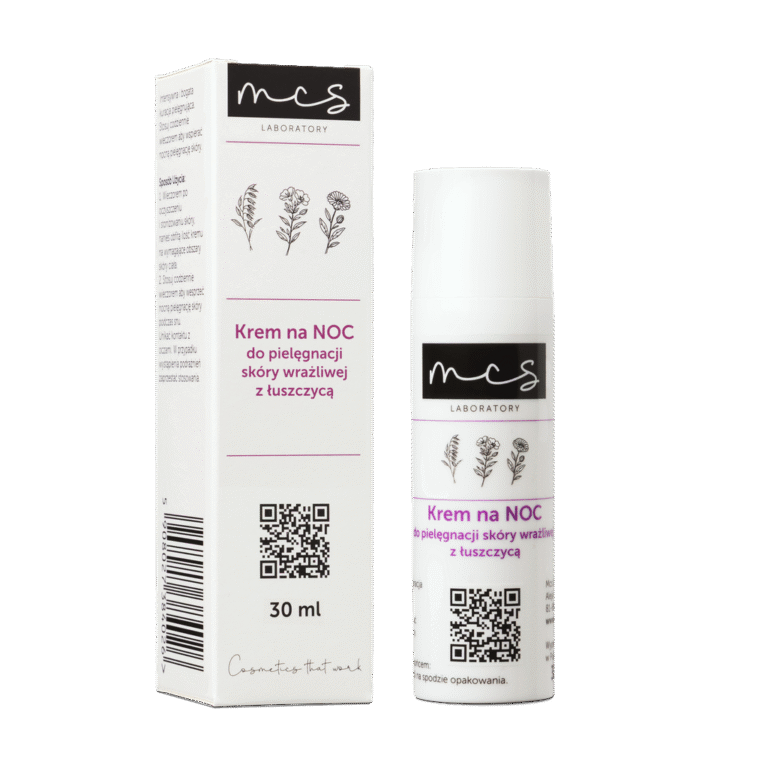
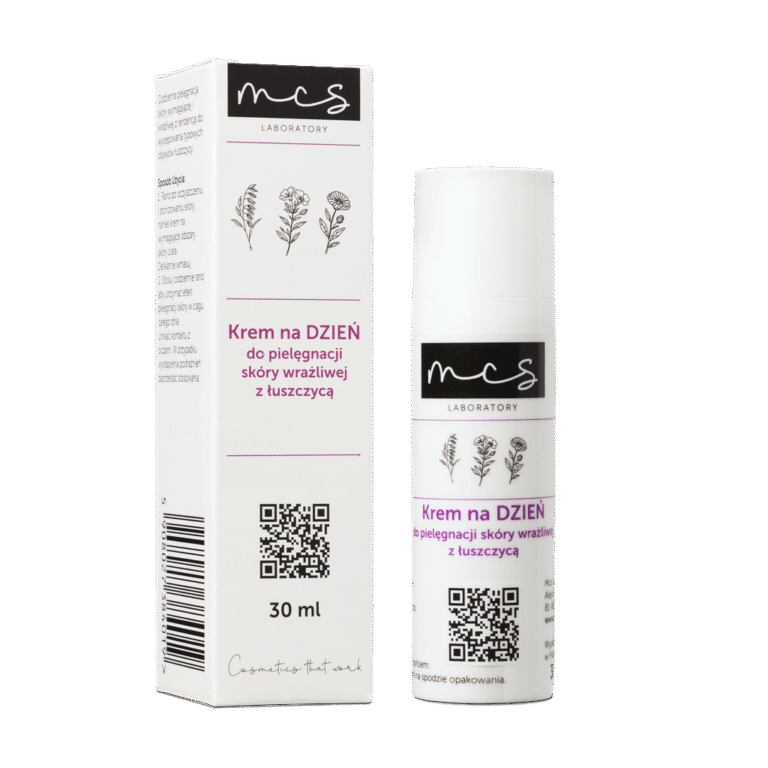
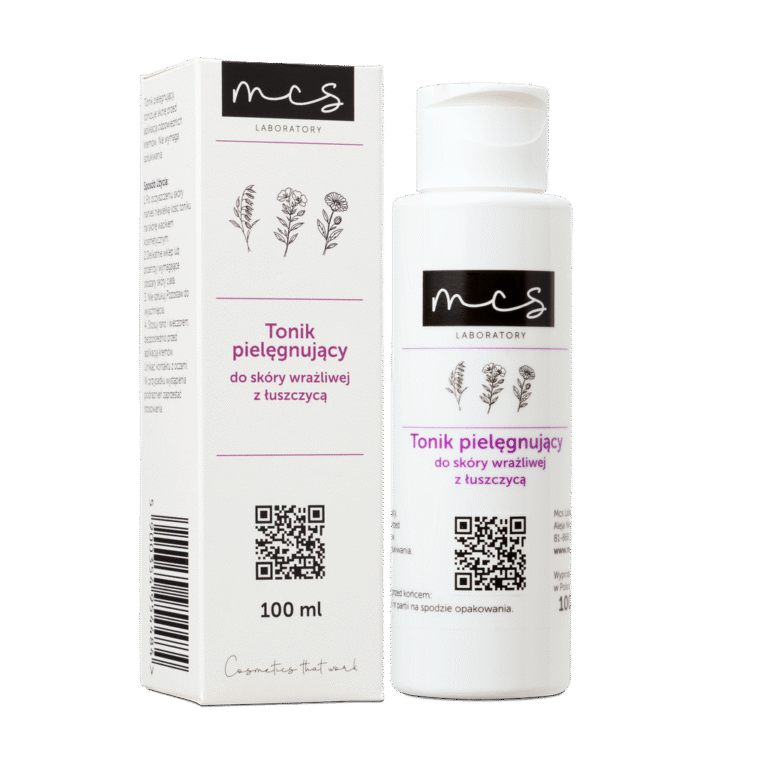
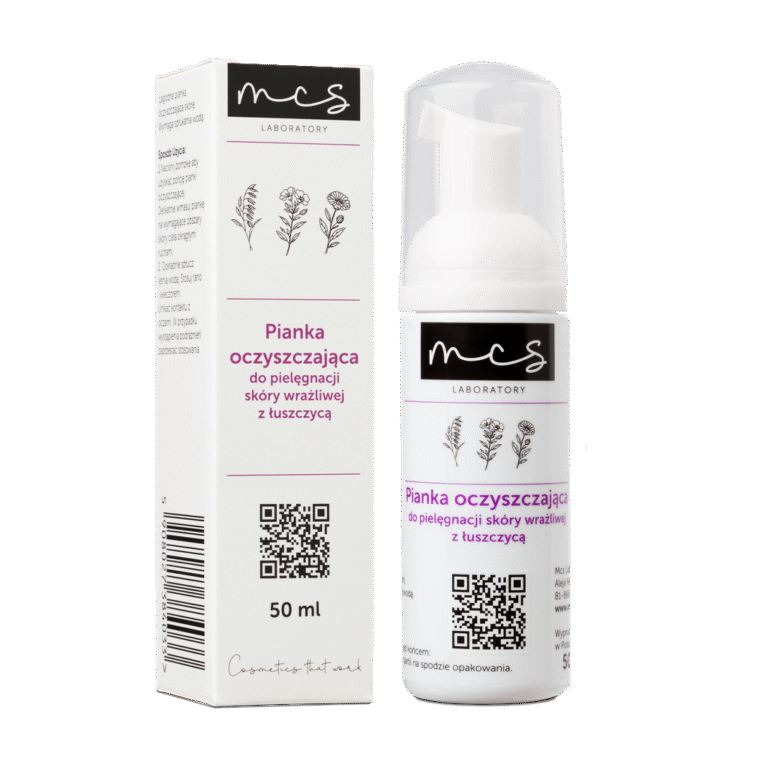
Our line of cosmetics for psoriasis

Bioactive, natural cosmetics to support the fight against psoriasis

Diet and supplementation

Below is a guide: diet and supplementation + a sample one-day menu for people with psoriasis, based on current dietary recommendations and scientific research.

🥗 Diet for people with psoriasis

Products indicated:

  • Vegetables and fruits (especially red and green) – rich in antioxidants and polyphenols.
  • Marine fish (salmon, mackerel, sardines) – a source of omega-3 fatty acids.
  • Linseed oil, extra virgin olive oil – have anti-inflammatory effects.
  • Whole grain cereal products – fiber and B vitamins.
  • Legumes (lentils, chickpeas) – a source of protein and antioxidants.
  • Nuts, seeds (e.g. flaxseed, chia, sunflower) – a source of vitamin E, zinc and selenium.
  • Anti-inflammatory herbs – turmeric, ginger, oregano.

Contraindicated products:

  • Sugar and sweets
  • Alcohol
  • Fast food, fried foods
  • Red meat (beef, pork)
  • Dairy products in excess (especially cow’s milk )
  • Gluten – can exacerbate symptoms in some (elimination test is recommended)
  • Artificial additives, preservatives

💊 Example of supplementation for psoriasis.

After consultation with your doctor or nutritionist – suggested list below:

Zinc

Action
Skin healing, immunity

Dosage (example)
15-30 mg daily

Selenium

Action
Anti-inflammatory

Dosage (example)
55-100 mcg daily

Probiotics

Action
Support of intestinal microflora

Dosage (example)
10-20 billion CFU daily

Vitamin D3

Action
Immune and skin regulation

Dosage (example)
2000-4000 IU daily

Omega-3 (EPA/DHA)

Action
Reduction of inflammation

Dosage (example)
1000-2000 mg daily

Vitamin E

Action
Antioxidant, skin support

Dosage (example)
100-400 IU

Curcumin with piperine

Action
Natural antioxidant

Dosage (example)
500-1000 mg daily

🥗 Sample menu (one-day):

I Breakfast

Oatmeal on oat drink with flaxseed, raspberries, blueberries and walnuts

Tea with turmeric and ginger

Second Breakfast

Smoothie: spinach, banana, kiwi, teaspoon of flaxseed oil, coconut water

Handful of pumpkin seeds

Dinner

Baked salmon with herbs and lemon

Buckwheat groats

Beet, apple and carrot salad with flaxseed oil

Afternoon snack

Hummus + chopped vegetables (carrots, celery, cucumber)

Dinner

Salad of quinoa, avocado, arugula, chickpeas, peppers and olive oil

Herbal tea: chamomile or lemon balm

Training with psoriasis

Physical activity does not cure psoriasis, but it can significantly reduce inflammation, improve immunity and well-being, and help with weight control, which is important with psoriasis. It is important to keep workouts moderate and regular, as over-exertion or skin trauma can sometimes exacerbate symptoms.

Best types of activities

  • Cardio of moderate intensity
    • Walking, Nordic walking, cycling, swimming.
    • It improves circulation and reduces stress, which benefits the skin.
  • Light/moderate weight training
    • Exercises with your own body weight (squats, push-ups, plank) or light dumbbells.
    • Supports metabolism and maintenance of muscle mass.
  • Yoga and Pilates
    • It reduces stress (which often aggravates psoriasis) and improves body elasticity.
  • Exercises in water
    • Swimming pool, aqua aerobics – minimize the risk of skin and joint irritation.

What to avoid or watch out for

  • Excessively intense workouts that lead to skin injuries or excessive sweating.
  • Exercise in extreme temperatures (very hot or very cold) – can irritate skin lesions.
  • Contact with chlorinated water with open skin lesions – if they are large, it is better to use a protective ointment before the pool.

Sample weekly plan (moderate)

  • Monday: 30 min walk + stretching.
  • Tuesday: light strength training at home (squats, push-ups, plank).
  • Wednesday: Yoga 30-45 min.
  • Thursday: 40 min cycling.
  • Friday: exercise in water or pool 30-40 min.
  • Saturday: Walk 45 min or Nordic walking.
  • Sunday: Rest or gentle stretching.
Skin problems require the possibility of professional consultation with a specialist of your choice. The content on this site is for informational purposes only and does not constitute a medical diagnosis. Before taking any action to eliminate a skin problem, we suggest a consultation: