Acne rosacea

You are here:

Acne rosacea - definition and mechanism of formation

Acne rosacea is a chronic skin condition that mainly affects the face – cheeks, nose, forehead and chin. Although its name suggests a connection with acne vulgaris, the mechanisms of the disease are quite different. The disease usually appears in adults between the ages of 30 and 50, and its course is sometimes chronic and recurrent.
Mechanism of onset:
Acne rosacea is associated with hyper-reactivity of the skin’s blood vessels and disruption of the local immune system. Symptoms are aggravated by triggers such as sun exposure, high temperatures, alcohol, spicy foods or stress.

Characteristic symptoms:

  • Chronic redness of the skin (erythema)
  • Visible dilated blood vessels (telangiectasias)
  • Acne-like papules and pimples, but without blackheads
  • Swelling and hypersensitivity of the skin
  • In more severe cases – hypertrophy of the sebaceous glands of the nose (rhinophyma), mainly in men

Significance and consequences
Rosacea is not a life-threatening disease, but it can significantly affect one’s life comfort, mood and self-confidence. Untreated or poorly controlled, it can lead to worsening inflammatory changes and permanent skin damage.

Treatment and prevention
Disease control is based on:

  • Conscious skin care and use of products that soothe irritation
  • Avoiding factors that trigger exacerbations
  • Dermatological treatment (ointments, anti-inflammatory creams, sometimes antibiotics or laser therapy)

Summary
Acne rosacea is a chronic disease with a complex etiology that requires an individualized approach. Early diagnosis and consistent treatment can control symptoms, limit recurrences and protect the skin from permanent changes.

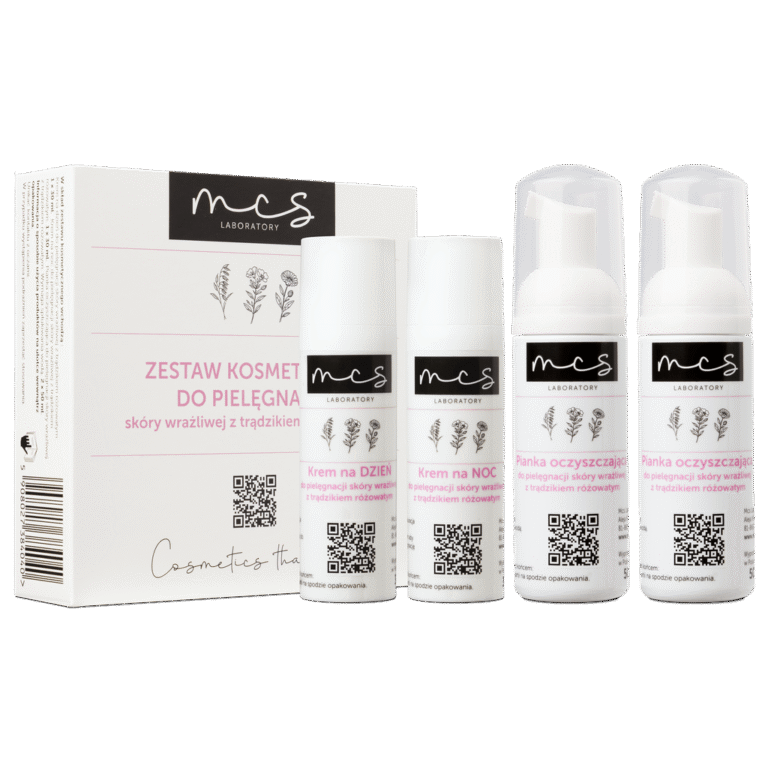
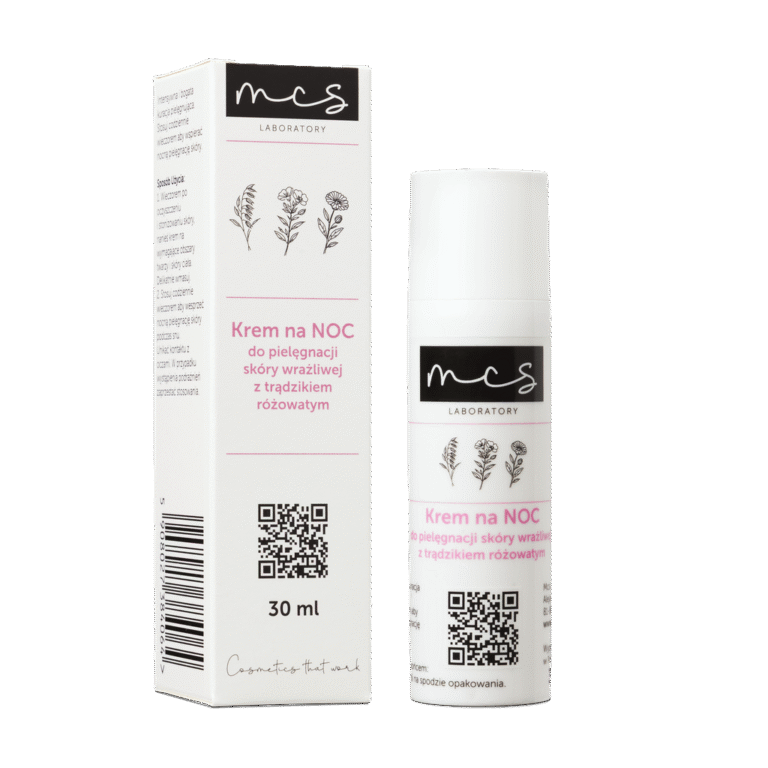
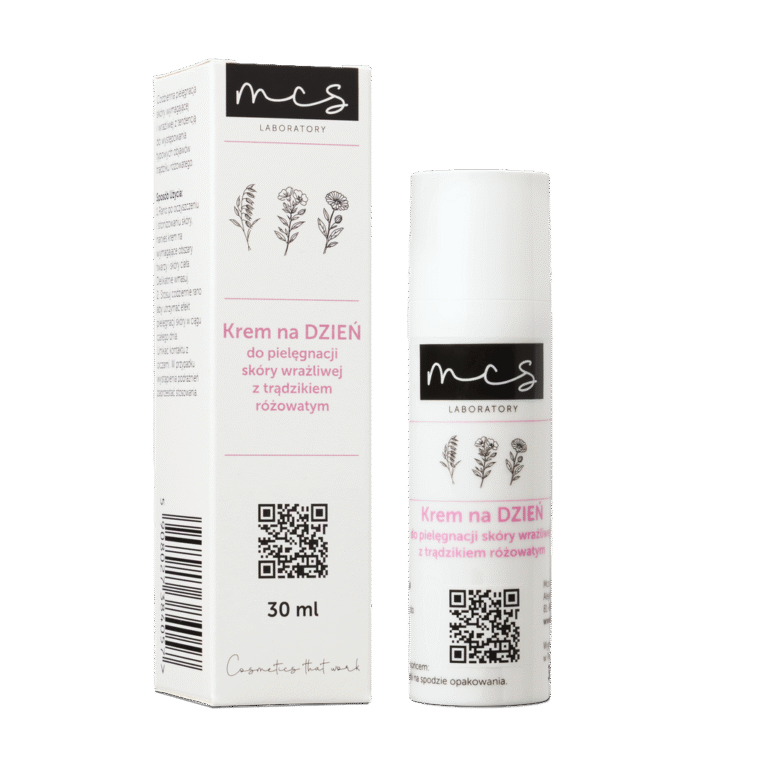
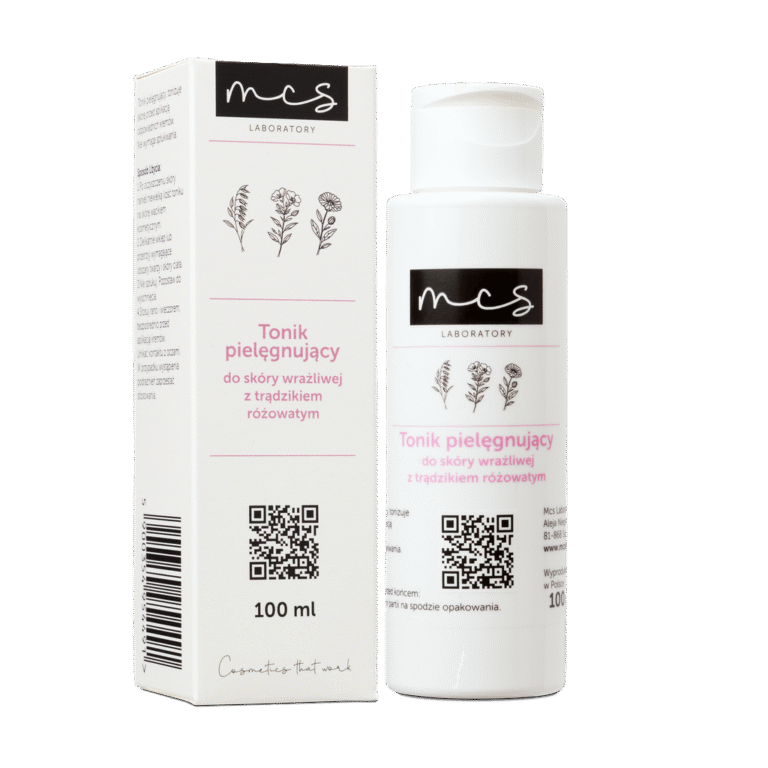
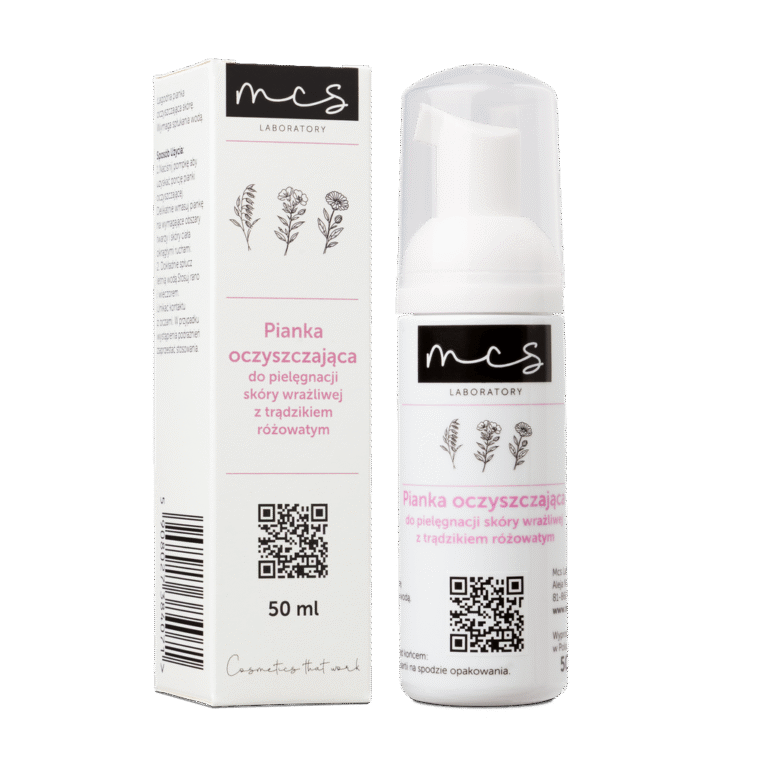
Our line of cosmetics for rosacea

Meet bioactive natural cosmetics dedicated to acne skin

Diet and supplementation

The diet for rosacea should primarily soothe inflammation, strengthen the skin barrier, avoid products that trigger flare-ups, and support the gut microflora.

🥗Diet rules for rosacea

Products indicated:

  • Vegetables and fruits (low glycemic index)
    • Broccoli, spinach, arugula, lettuce, cucumbers, pumpkin, zucchini
    • Blueberries, raspberries, blueberries, apples, pears
  • Omega-3 acids
    • Oily marine fish (salmon, mackerel, sardines)
    • Flaxseed oil, flaxseed, chia seeds
  • Whole grain products
    • Barley groats, buckwheat, quinoa, brown rice, oatmeal
  • Legumes (in small amounts, watch the reaction)
    • Lentils, chickpeas, mung beans
  • Natural fats
    • Olive oil, flaxseed oil, avocado, walnuts
  • Probiotics and prebiotics
    • Pickles (pickled cucumbers, sauerkraut), natural yogurt (if well tolerated), kefir, kombucha
  • Anti-inflammatory herbs
    • Chamomile, calendula, nettle, turmeric, ginger

What to avoid. – Products that can exacerbate symptoms:

  • Alcohol – especially red wine – a powerful trigger
  • Spicy spices – chili peppers, cayenne pepper, curry, wasabi
  • Sugar and sweets – raise insulin levels, which increases inflammation
  • Dairy products – especially cow’s milk and ripened cheeses

  • Gluten (in some people) – especially wheat and highly processed products

  • Coffee and hot drinks – can cause vasodilation and erythema

💊 Example of supplementation for rosacea

After consultation with your doctor or nutritionist – suggested list below:

Zinc

Action
Regulates sebum secretion, anti-inflammatory

Dosage (example)
15-30 mg daily

Omega-3 (EPA/DHA)

Action
Strong anti-inflammatory effect

Dosage (example)
min. 1000 mg EPA/DHA daily

Probiotics

Action
Support intestinal microflora

Strains: Lactobacillus rhamnosus, Bifidobacterium)

Vitamin D3

After determining blood levels

Vitamin B

Vitamin B2, B6, B3

🥗 Sample menu (one-day):

Breakfast

Oatmeal on oat milk with raspberries, flaxseed and walnuts

Dinner

Grilled salmon, buckwheat groats, salad with arugula, cucumber, olive oil and pumpkin seeds

Dinner

Zucchini and lentil cream soup with parsley and ginger

Afternoon snack

- Pickled cucumbers
- Smoothie of berries, banana and almond milk
- Nettle or chamomile infusion

Workout for rosacea

Working out with rosacea requires special care, as the skin is sensitive and easily reddened and irritated. It is important that physical activity supports circulation and overall fitness, but does not cause undue stress to the skin. Here are some training tips and examples

Types of exercises suitable for sensitive skin

  • Cardio of moderate intensity: brisk walking, Nordic walking, recreational cycling, swimming.
    • Avoid very intense HIIT-type cardio, which can cause rapid skin redness.
  • Strength exercises with light weight: dumbbells 2-5 kg, resistance bands, own body weight (squats, push-ups on knees).
    • It is important not to clench the facial muscles or tighten the neck.
  • Breathing and relaxation training: yoga, Pilates, stretching.
    • It helps control stress, which can aggravate rosacea.

Safety rules

  • Avoid overheating your skin: exercise in a cooler room or outdoors, not in full sunlight.
  • Don’t rub your face: use a soft towel or avoid touching your skin altogether during training.
  • Gently cleanse your skin after a workout: use lukewarm water and a mild gel or foam face wash.
  • Hydration and cooling: after a workout, it’s a good idea to gently cool your face with water or a cool compress.

Sample 30-minute workout

  • Warm-up – 5 minutes
    • March in place or gently circulate arms.
  • Cardio exercise – 10 minutes
    • Walk at a moderate speed or ride a stationary bicycle.
  • Strength exercises – 10 minutes
    • 2 series of 10 squats
    • 2 series of 10 push-ups on your knees
    • 2 series of 15 seconds of plank
  • Stretching and relaxation – 5 minutes
    • Stretching the neck, shoulders and back
    • Deep breathing and facial muscle relaxation

Knowledge base on rosacea

Skin problems require the possibility of professional consultation with a specialist of your choice. The content on this site is for informational purposes only and does not constitute a medical diagnosis. Before taking any action to eliminate a skin problem, we suggest a consultation: