Acne vulgaris - definition and mechanism of formation

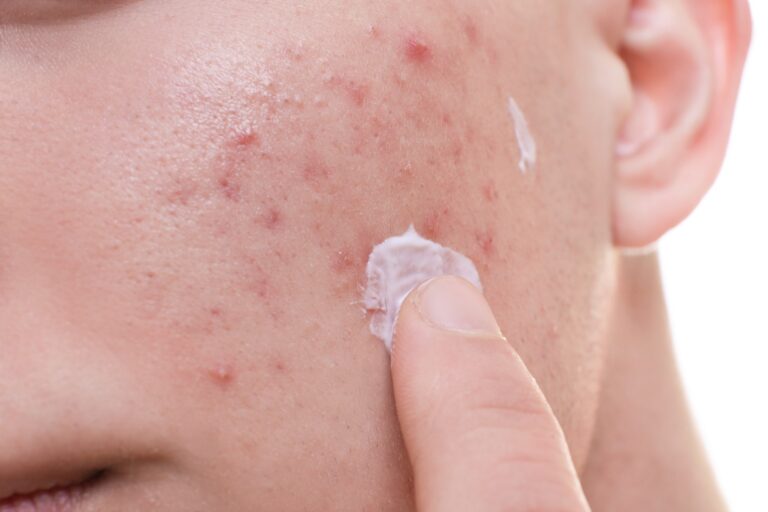
Acne vulgaris is a chronic skin condition that mainly affects areas rich in sebaceous glands – the face, neck, chest and back. It is characterized by the presence of blackheads, papules, pustules and, in more advanced cases, nodules and cysts.
The development of acne is associated with several factors:
  1. Excessive sebum production – androgen hormones stimulate the sebaceous glands, leading to increased sebum secretion.
  2. Disorders of keratinization of hair follicle mouths – cause the formation of blackheads (open and closed).
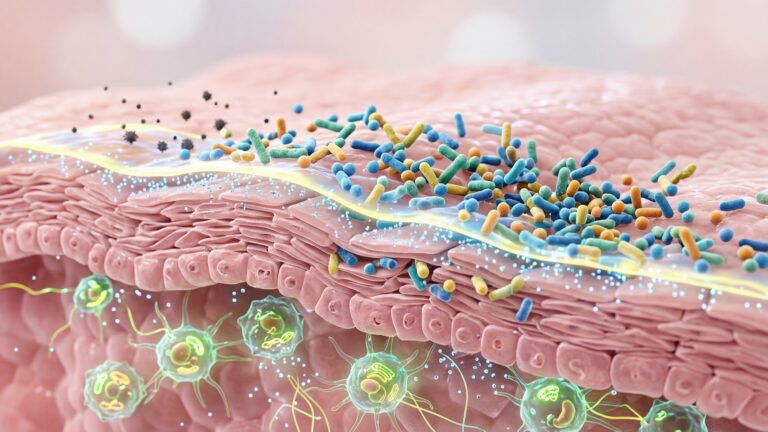
  3. The activity of Propionibacterium acnes, a naturally occurring skin flora, multiplies in clogged hair follicles, causing inflammation.
  4. Inflammatory skin reaction – the body reacts to bacteria and blocked sebaceous gland outlets, leading to the formation of papules, pustules and sometimes painful nodules.
Acne can be mild, moderate or severe, and its severity depends on age, genetic predisposition, hormones, lifestyle and environmental factors.
Effects and Consequences
Untreated acne vulgaris can lead to scarring, hyperpigmentation and a decrease in psychological well-being and quality of life. Early diagnosis and appropriate dermatological treatment are key to reducing complications.
Summary
Acne vulgaris is not just an aesthetic problem, but a multifactorial skin disease that requires an individualized therapeutic approach. Effective treatment includes control of sebum secretion, control of inflammation and appropriate skin care.

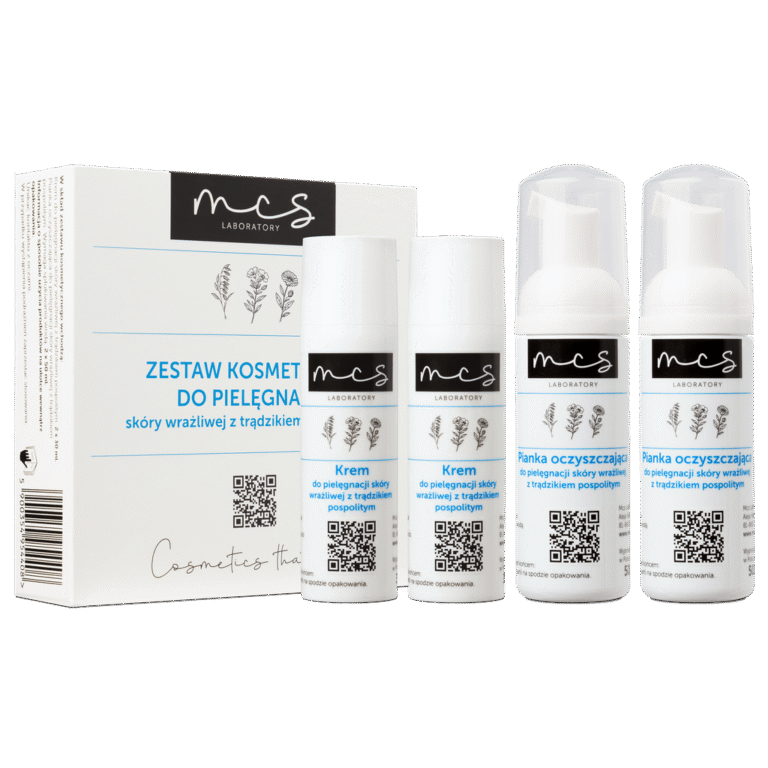
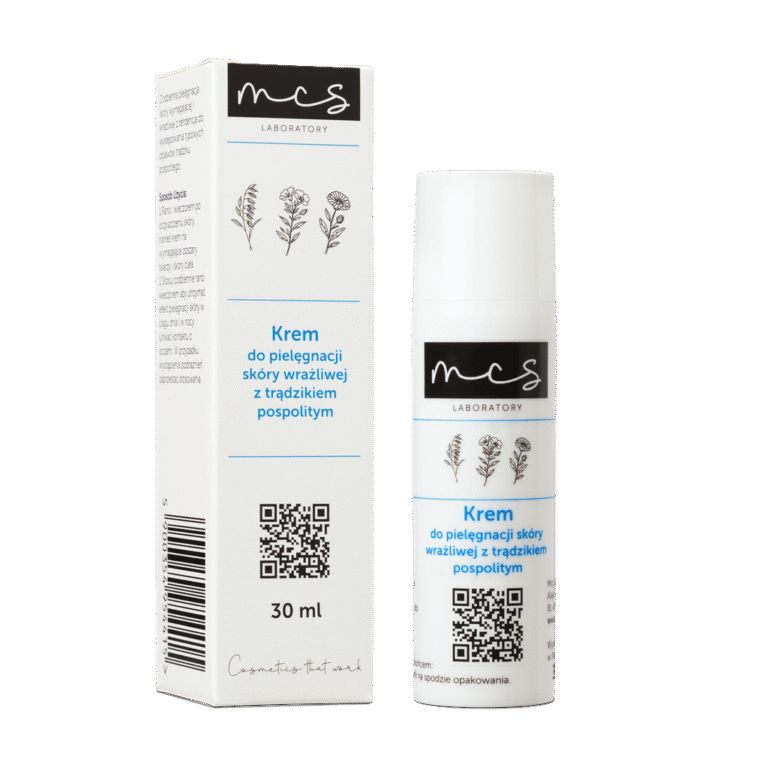
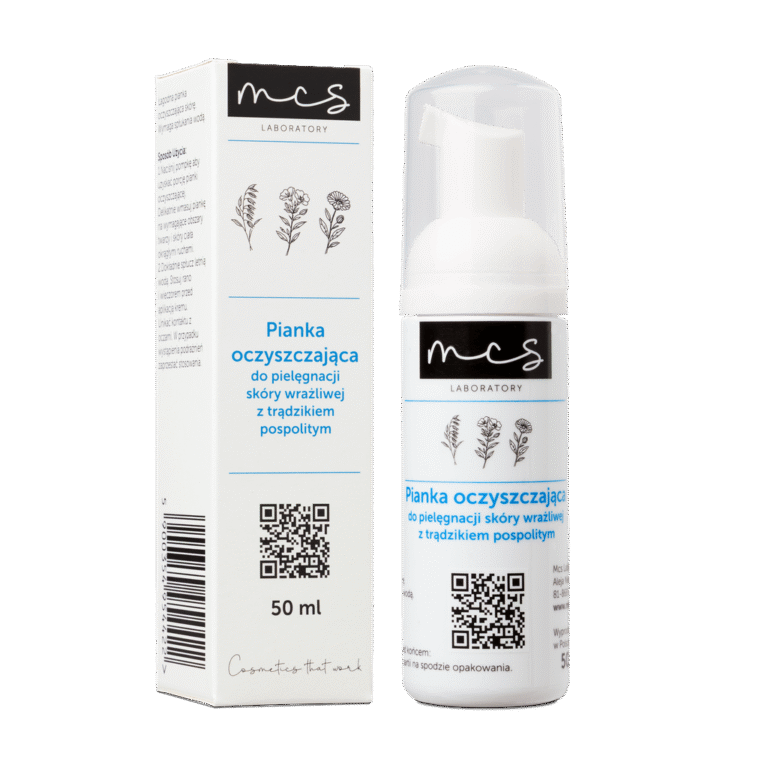
Our line of cosmetics for acne vulgaris

Meet bioactive natural cosmetics dedicated to acne skin

Here are dietary, supplementation recommendations and a sample one-day menu for people with acne vulgaris

🥗Dietary rules for acne vulgaris

Recommended products:

  • Low glycemic index (GI) products:
    • Whole grains (quinoa, buckwheat groats, oatmeal)
    • Non-starchy vegetables (broccoli, lettuce, cucumber, zucchini)
  • Good quality protein:
    • Fish (salmon, mackerel), lean meat (turkey), legumes
  • Anti-inflammatory fats:
    • avocado, olive oil, flaxseed, walnuts
  • Products rich in zinc and selenium:
    • Pumpkin seeds, sesame seeds, eggs, sea fish
  • Fermented products (for the microbiota):
    • kefir, natural yogurt, kimchi, sauerkraut

What to avoid:

  • Simple sugars and highly processed foods
  • Dairy products (especially UHT milk and sweetened yogurt)
  • Trans fats (fast food, margarines)
  • Milk chocolate, cocoa powder (may be pro-inflammatory in some people)

💊 Example of supplementation for acne.

After consultation with your doctor or nutritionist – suggested list below:

Zinc

Action
Regulates sebum secretion, anti-inflammatory

Dosage (example)
15-30 mg daily

Omega-3 (EPA/DHA)

Action
Strong anti-inflammatory effect

Dosage (example)
1000-2000 mg EPA/DHA daily

Probiotics

Action
Support intestinal microflora

Dosage (example)
5-10 billion CFU daily, for 1-3 months

Vitamin A (natural)

Action
Promotes skin regeneration

Dosage (example)
Only under medical supervision (risk of toxicity)

Vitamin D3

Action
Supports immunity and reduces inflammation

Dosage (example)
2000-4000 IU daily (after testing levels)

NAC (N-acetylcysteine).

Action
Reduces sebum production, acts as an antioxidant

Dosage (example)
600-1200 mg daily

📅 Sample menu for 1 day

I Breakfast

Oatmeal on almond drink with flaxseed, walnuts and raspberries

Green tea

Second Breakfast

Smoothie: kale + kiwi + cucumber + lemon juice + flaxseed + water

Handful of pumpkin seeds

Dinner

Roasted turkey fillet with turmeric

Buckwheat groats

Sauerkraut salad with carrots and flaxseed oil

Afternoon snack

Natural coconut yogurt (unsweetened) with berries and a teaspoon of inulin

Dinner

Salad with salmon (or tofu), arugula, avocado, cucumber, pumpkin seeds

Sourdough buckwheat bread (1 slice)

Additional tips

Drink plenty of water - min. 1.5-2 l a day

Avoid stress - consider adaptogens (e.g., ashwagandha)

Regular physical activity supports detoxification and hormonal balance

Training for acne vulgaris

With acne vulgaris, it’s crucial to keep your workout moderate, avoid excessive sweating in clothes that bruise the skin, and support your overall hormonal balance. Below you have a sample one-day general workout

Warm-up (10 minutes)

  • Marching in place / light jogging – 3 min
  • Circulations of shoulders, hips, wrists, knees – 3 min
  • Leg bends and leg extensions – 4 min

Strength and conditioning training (25-30 minutes)

Tips: use your own body weight, avoid putting too much stress on your skin, and it’s a good idea to exercise in airy clothes.

  1. Squats – 3 series x 12 repetitions
  2. Push-ups against the wall or on your knees – 3×10
  3. Trotting – 3×10 per leg
  4. Plank (plank) – 3×30 seconds
  5. Hip lift lying on the back (glute bridge) – 3×12

Cardio / fat burning (10-15 minutes)

  • Fast walking, stationary bike or orbiter
  • Intervals: 30 seconds intense, 1 minute quiet – repeat 5-7 times

Stretching / Cool down (5-10 minutes)

  • Stooping to feet, stretching legs
  • Arm circles, light trunk twists
  • Deep breaths – calming the heart rate

Additional tips for acne vulgaris:

  • After your workout, immediately change into a dry T-shirt and gently wash your face.
  • Avoid applying heavy creams and makeup just before exercising.
  • Hydrate with water, it supports the purification of the body.
  • Try not to make your workout too intense – stress and hormones can exacerbate acne
Skin problems require the possibility of professional consultation with a specialist of your choice. The content on this site is for informational purposes only and does not constitute a medical diagnosis. Before taking any action to eliminate a skin problem, we suggest a consultation: