Acne is one of the most common skin diseases, but not everyone looks the same and not everyone has the same causes. We most often encounter acne vulgaris and rosacea – two conditions that are sometimes confused with each other. While they may appear similar at first glance, they actually require completely different approaches to care and treatment. Why is it so important to know how to tell them apart? Let’s find out.
Acne vulgaris – most common in young people
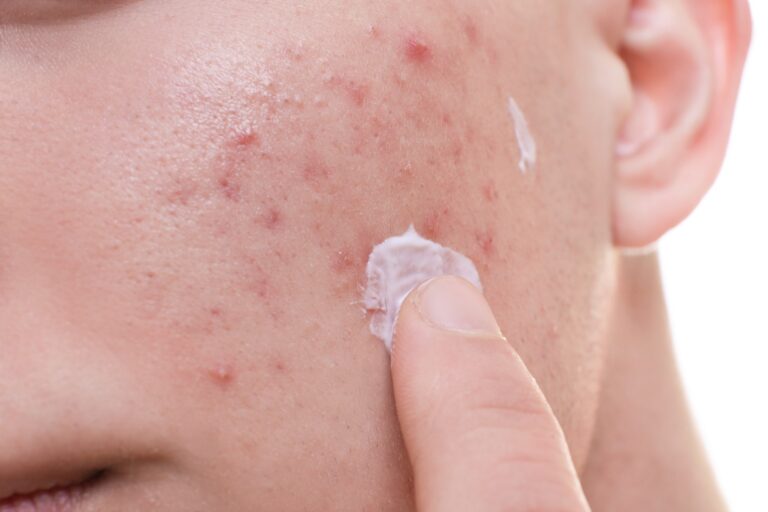
Acne vulgaris is a disease that up to 80-90% of teenagers, as well as many adults, struggle with.What does it look like?- Open and closed blackheads,
- Papules and pustules,
- In more severe forms – painful cysts and acne scars.
Why is it being created?
- excessive sebum production,
- hormonal disorders,
- The proliferation of Cutibacterium acnes bacteria,
- Diet and lifestyle (sugar, dairy, stress).
Acne rosacea – an adult problem
Acne rosacea is a chronic skin condition that usually appears after the age of 30. It most often affects fair-skinned women, but also occurs in men – often in a more severe form.What does it look like?- Constant or paroxysmal facial redness,
- dilated and visible blood vessels,
- Papules and pimples, but no blackheads,
- A burning sensation and skin sensitivity.
What exacerbates the symptoms?
- UV radiation,
- Alcohol and spicy foods,
- sudden changes in temperature,
- Stress and strong emotions.
Acne vulgaris vs. rosacea – key differences
| Feature | Acne vulgaris | Acne rosacea |
|---|---|---|
| Age | teenagers and young adults | usually 30+ |
| Skin lesions | blackheads, papules, pustules, cysts | erythema, visible vessels, papules and pustules without blackheads |
| Location | face, back, chest | Mainly face (nose, cheeks, forehead) |
| Aggravating factors | hormones, bacteria, diet | UV, alcohol, spicy foods, stress |
Why is the distinction so important?
Whether one is dealing with acne vulgaris or rosacea is of great importance, as the treatment is quite different:- Acne vulgaris: applications include. Retinoids, antibiotics, hormone treatment, seboregulating cosmetics.
- Acne rosacea: anti-inflammatory medications, sun protection, gentle care and avoiding triggers are key here.
Summary: Although the two types of acne are sometimes confused, acne vulgaris and rosacea are two different diseases – with different causes, symptoms and treatment. That’s why it’s so important not to self-diagnose, but to go to a dermatologist when in doubt. Proper diagnosis is the key to effective therapy and improved appearance and quality of life.
This information is for educational and cosmetic purposes only and is not intended to replace professional medical advice, diagnosis, or treatment.