The skin microbiome - your skin's natural protective shield

The skin microbiome is a complex ecosystem of microorganisms – bacteria, fungi and viruses – that inhabit the surface of the skin. Although we often associate bacteria with disease, most of them have protective functions. A properly balanced microbiome protects the skin from harmful pathogens, supports the protective barrier and regulates inflammatory processes.

Why is the microbiome important?

  • Protection against infections: “Good” microorganisms compete with pathogens, limiting their proliferation.
  • Supporting the skin barrier: The microbiome supports the skin’s natural protective function, preventing excessive water loss.
  • Immune regulation: Microorganisms influence the skin’s immune response, reducing the risk of inflammation and allergies.

How to take care of a healthy skin microbiome?

  1. Gentle cleansing:
    Choose mild gels and foams without strong detergents. Washing with lukewarm water protects the natural balance of the microbiome.
  2. Strengthening the skin barrier:
    Creams and lotions with ceramides, lipids and hyaluronic acid support the skin’s protective functions.
  3. Stimulate “good” bacteria:
    Products containing probiotics and postbiotics help restore the microbiome and improve skin condition.
  4. Avoid microbiome disruptors:
    Excessive use of antibiotics, alcohol in cosmetics, aggressive scrubs or intense sun can disrupt the microbial balance of the skin.
  5. Support from the inside:
    A diet rich in fermented foods, fiber and limiting sugar helps maintain healthy skin flora.

A healthy skin microbiome is the key to natural protection, immunity and proper skin function. By taking care of it every day, you support not only a beautiful appearance, but also the skin’s resistance to external factors.

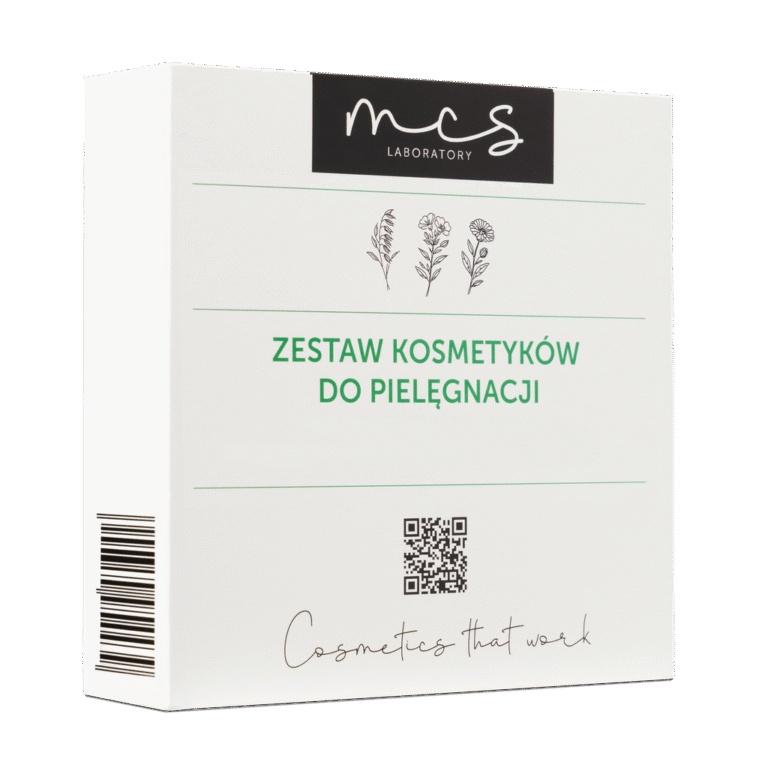
Our line of cosmetics for a healthy skin microbiome

Learn about our bioactive, natural cosmetics designed to keep your skin’s microbiome healthy.

Advantages of MCS Laboratory cosmetics:

Container hygiene
airless

It guarantees no contamination of the product when it is taken from the container, no oxidation and UV influence, and an even and economical dose.

Constant
activity

All cosmetics of the line contain natural active substances, used in succession, work around the clock.

Holistic approach
to the problem

Thinking about healthy skin, in addition to proper care, also involves a well-chosen diet, training and expanded knowledge.

Uninterrupted
therapy

The capacities of the cosmetic set allow you to take them on board a plane. Your mobility does not interfere with your continuous skin care therapy.

Diet and supplementation

A diet that supports the skin microbiome is, in practice, an anti-inflammatory and fiber-rich diet with fermented foods and healthy fats. By doing so, you support the microbial balance in the gut and skin, reduce inflammation and improve the skin barrier.

What promotes a healthy skin microbiome?

1. products rich in fiber (prebiotics)

Vegetables (especially onions, garlic, leek, asparagus, cabbage, broccoli), fruits (apples, bananas, berries), whole-grain cereal products and legumes.

2. fermented foods (natural probiotics)

Kefir, natural yogurt, buttermilk, pickles (cabbage, cucumbers, kimchi), kombucha, miso, tempeh.

3. omega-3 fatty acids

Oily sea fish (salmon, mackerel, sardines), flaxseed, chia seeds, walnuts.

4. polyphenols (antioxidants that support the microbiome)

Green tea, cocoa (bitter), olive oil, berries, pomegranates, and spices (turmeric, ginger, cinnamon).

5. the right amount of protein

Preferably diverse (plant and animal origin).

What to avoid for a healthy skin microbiome?

Sugar

Excess sugar and sweets - they disrupt the balance of microflora

Fast food

Highly processed foods and fast foods

Alcohol

Excessive alcohol and sugary drinks

Fat

Trans fats and high amounts of saturated fats

Summary

A diet that supports the skin microbiome is, in practice, an anti-inflammatory and fiber-rich diet with fermented foods and healthy fats. By doing so, you support the microbial balance in the gut and skin, reduce inflammation and improve the skin barrier.

Training for a healthy skin microbiome

Training “for the skin microbiome” doesn’t work as a supplement – but regular physical activity can support a healthy microbiome by: improved circulation, hormonal balance and better oxygenation of the skin. The most important thing is not to irritate the skin with excessive sweating in tight clothes. Here is a sample workout.
1. warm-up (8-10 minutes)

Marching in place or light jogging – 3 min, shoulder, hip, wrist circulations – 2 min, gentle leg sweeps and trunk twists – 3-5 min.

2. main workout (25-30 minutes)

The goal: moderate intensity, cardiovascular support, no excessive sweating on the skin of the face and back.

  1. Squats with own body weight – 3×12
  2. Stepping on the spot – 3×10 per leg
  3. Push-ups against the wall or on your knees – 3×10
  4. Plank (plank) – 3×30 seconds
  5. Hip bridge lying on the back – 3×12
3. moderate cardio (10-15 minutes)
  • Stationary bicycle, brisk walking or swimming.
  • You can do light intervals: 20-30 seconds fast pace / 1 minute easy.
4. stretching and relaxation (5-10 minutes)

Stretching legs, back, shoulders. Deep breathing – calms and reduces stress.

5 Additional tips for the skin microbiome:
  • After your workout, quickly change your clothes and gently wash your body.
  • Avoid aggressive soaps – mild gels are better.
  • Regular, moderate exercise supports the balance of the microbiome, while excessive sweating in tight clothing can do the opposite.
  • Stress weakens the microbiome, so relaxation elements after training are very important.
Skin problems require the possibility of professional consultation with a specialist of your choice. The content on this site is for informational purposes only and does not constitute a medical diagnosis. Before taking any action to eliminate a skin problem, we suggest a consultation:

Partners