Acne rosacea is a skin condition that can take you by surprise. It is not the usual teenage acne – it most often affects adults, and its symptoms can be chronic and troublesome.
Where does rosacea come from?
The causes are not fully understood, but several factors are known to be involved:- Genetics – if someone in the family had rosacea, the risk increases.
- Hyperreactivity of blood vessels – the skin easily reddens in response to external stimuli.
- Environmental and lifestyle factors – sun, hot spices, alcohol, stress, temperature changes.
Symptoms to watch out for
Acne rosacea is not just a “red face.” Typical symptoms include:- Persistent redness in the central part of the face,
- dilated blood vessels (known as telangiectasias),
- Papules and pustules resembling acne vulgaris,
- A feeling of burning, itching or dryness of the skin.
How to take care of the skin in rosacea?
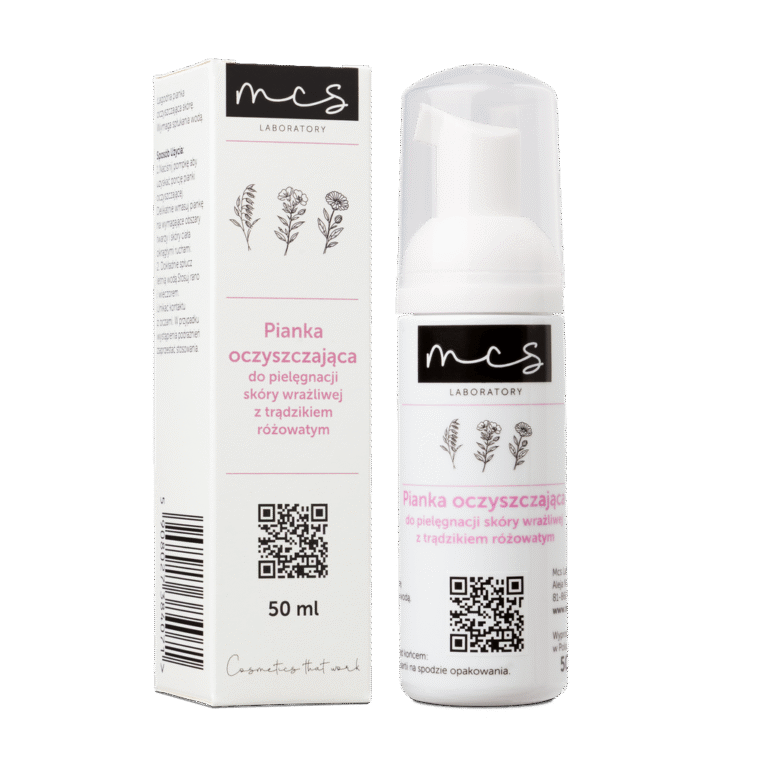
Skin with rosacea requires gentle and thoughtful care:- Soothing cosmetics – avoid products with alcohol, strong scrubs or irritants.
- Sun protection – daily sunscreen with SPF 30+ is a must.
- Avoiding triggers – watch what causes exacerbations, and try to limit those triggers.
Diet and rosacea
There is no single “rosacea diet,” but it is worth remembering:- Limit hot spices, alcohol and hot drinks,
- Bet on foods rich in antioxidants – vegetables, fruits, sea fish, olive oil,
- Observe skin reactions after specific products – each body reacts individually.
When is it a good idea to go to a dermatologist?
If facial redness becomes persistent, lumps, pimples or burning skin appear, it is worth consulting a specialist. Modern therapies – from topical creams to laser treatments – can significantly improve the comfort of life.Worth remembering: Acne rosacea can be troublesome, but with proper care, skin protection and awareness of triggers, you can significantly alleviate symptoms and enjoy healthy skin on a daily basis.
Important / Disclaimer: The information contained in this article is for educational and cosmetic purposes only. They do not constitute medical advice, diagnosis or treatment recommendations.
This information is for educational and cosmetic purposes only and is not intended to replace professional medical advice, diagnosis, or treatment.
This information is for educational and cosmetic purposes only and is not intended to replace professional medical advice, diagnosis, or treatment.