Hand Eczema. How can you soothe cracked skin damaged by frequent washing? Our hands are put through the toughest test every day. They’re the ones that come into contact most often with detergents, hard water, alcohol-based disinfectants, and fluctuating temperatures. It’s no wonder that eczema, also known as contact dermatitis, most often appears on the hands. Although this problem is particularly troublesome for people with atopic dermatitis, it can affect anyone whose job requires frequent hand washing (e.g., healthcare workers, hairdressers, food service workers, etc.).
Why does the skin on my hands crack?
The skin on the backs of the hands is extremely thin and has very few sebaceous glands. This means that its natural hydrolipid barrier is inherently weaker. When we wash our hands in hot water using harsh cleansers, we disrupt this protective barrier. Without it, water escapes from the epidermis at a rapid rate (TEWL), and the skin becomes dry, rough, and starts to crack—often until it bleeds, which opens the door to bacteria and exacerbates inflammation.Emergency Strategy: Occlusion and Compresses
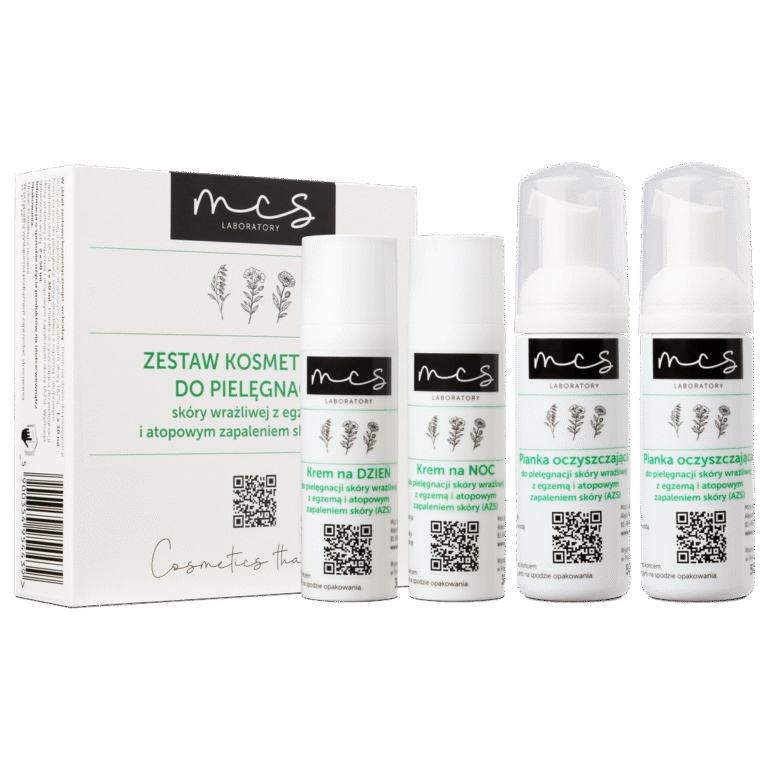
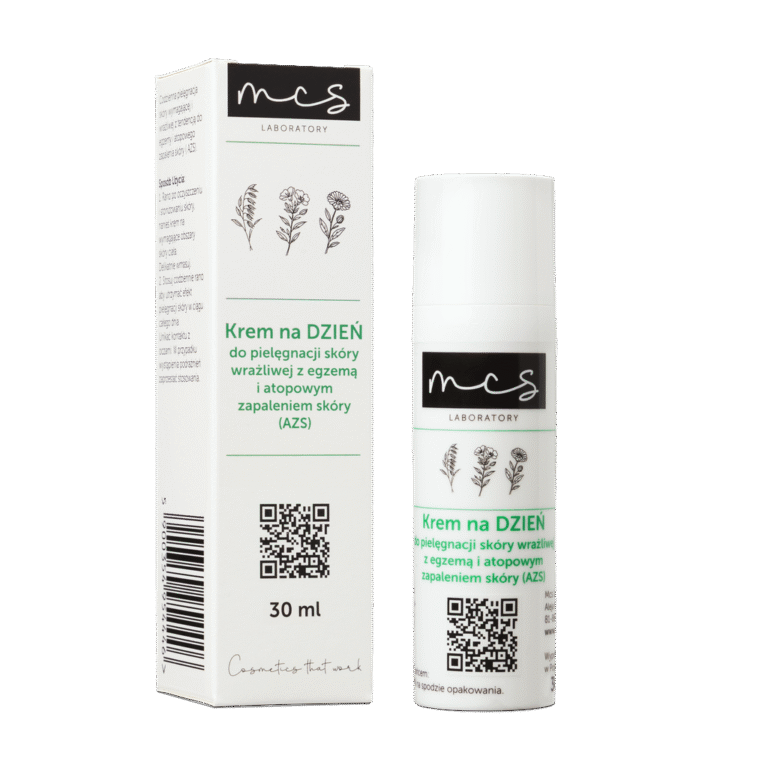
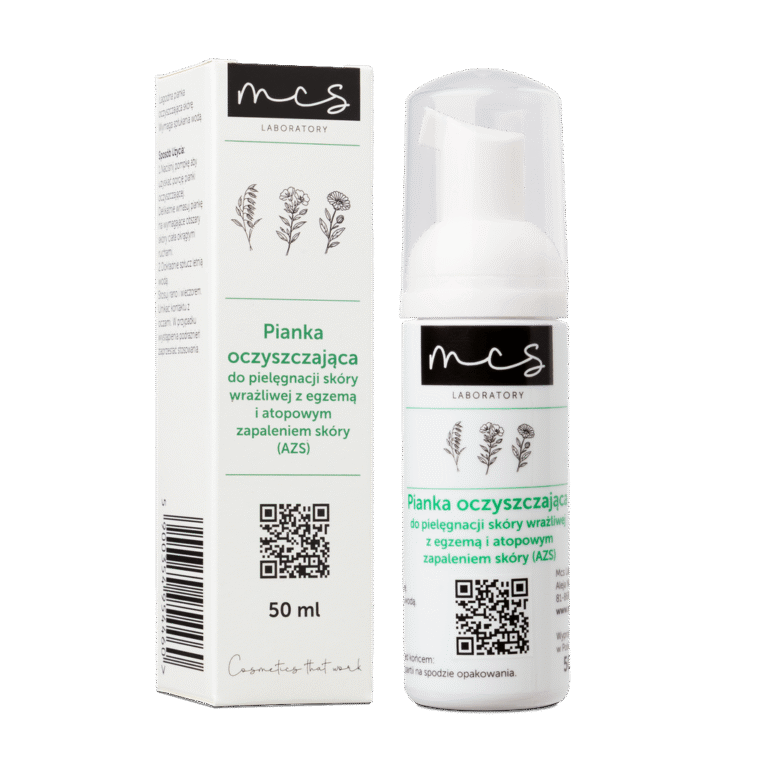
Consistency is key in treating hand eczema. The goal is to create a “second barrier” on the skin that will prevent moisture from escaping.- Daily Care: After every single time you wash your hands (which should be done with lukewarm water and gentle products, such as our Cleansing Foam from the eczema and atopic dermatitis line), apply the Day Cream from the same eczema and atopic dermatitis line. It forms a light yet effective occlusive layer that protects the skin during daily activities.
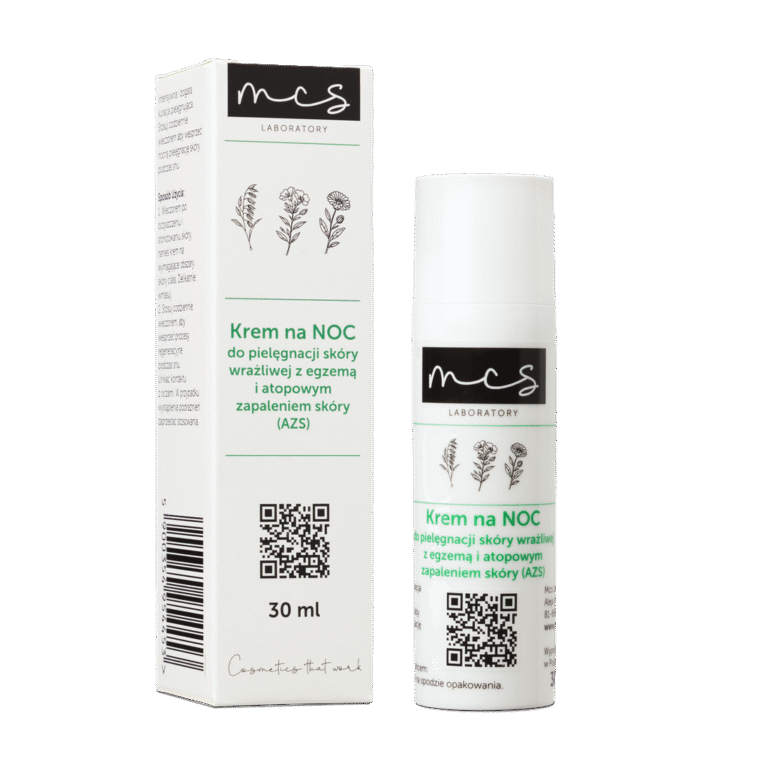
- Nighttime Care – “Nighttime Compress”: Nighttime is a time for regeneration. Before going to bed, apply a thick layer of Night Cream for Sensitive Skin with Eczema and Atopic Dermatitis to your hands. Thanks to its medical-grade oat flour, this cream soothes itching and intensively heals cracks. To enhance the effect during flare-ups, put on loose, cotton gloves over your treated hands. This compress will help the active ingredients penetrate deeper, and you’ll wake up with visibly smoother skin.
Also, remember about mechanical protection—always wear rubber gloves when cleaning and washing dishes (preferably over thin cotton gloves to prevent chafing).
Summary: Cracked skin on the hands requires a strategic approach and consistency. Don’t let it become extremely dry, as this leads to painful damage to the epidermis. During the day, protect your hands with Day Cream for Sensitive Skin with Eczema and Atopic Dermatitis after every contact with water, and at night, treat them to a regenerating, occlusive “compress” with oatmeal by applying a thick layer of the rich Night Cream for Sensitive Skin with Eczema and Atopic Dermatitis and wearing cotton gloves. This is the only way to rebuild the skin barrier and restore comfort to damaged hands.
This information is for educational and cosmetic purposes only and is not intended to replace professional medical advice, diagnosis, or treatment.