Thick, silvery scales are the most characteristic and troublesome symptom of psoriasis. Instinct often tells us the simplest solution – since something is growing on the skin, it must be peeled off. We reach for harsh scrubs, rough sponges and aggressive acids. Unfortunately, in the case of psoriasis, such action is adding gasoline to the fire. How to handle scales wisely so as not to provoke new lesions, and why deep oiling is the key to success?
Koebner phenomenon – why the skin doesn’t like friction
Psoriasis is characterized by an extremely accelerated cell renewal cycle. By peeling off the scales mechanically, you send a signal to the body about damage (micro-injury). The skin reacts to this defensively…. by producing even more cells in the same place. In dermatology, this is called Koebner’s sign – a new psoriatic lesion forms at the site of the injury. That’s why you need to banish aggressive peels from your bathroom forever.Wise softening instead of stripping
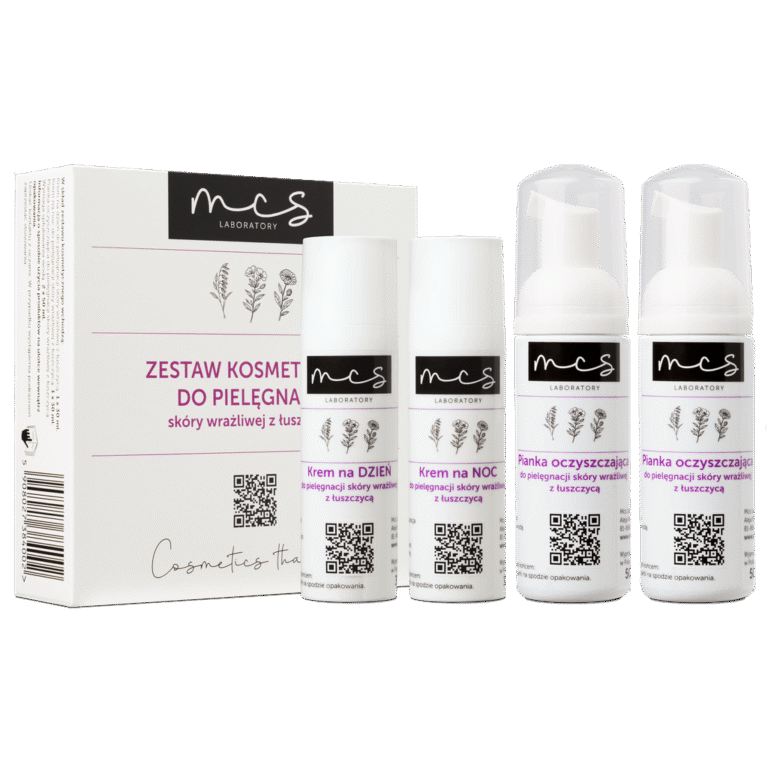
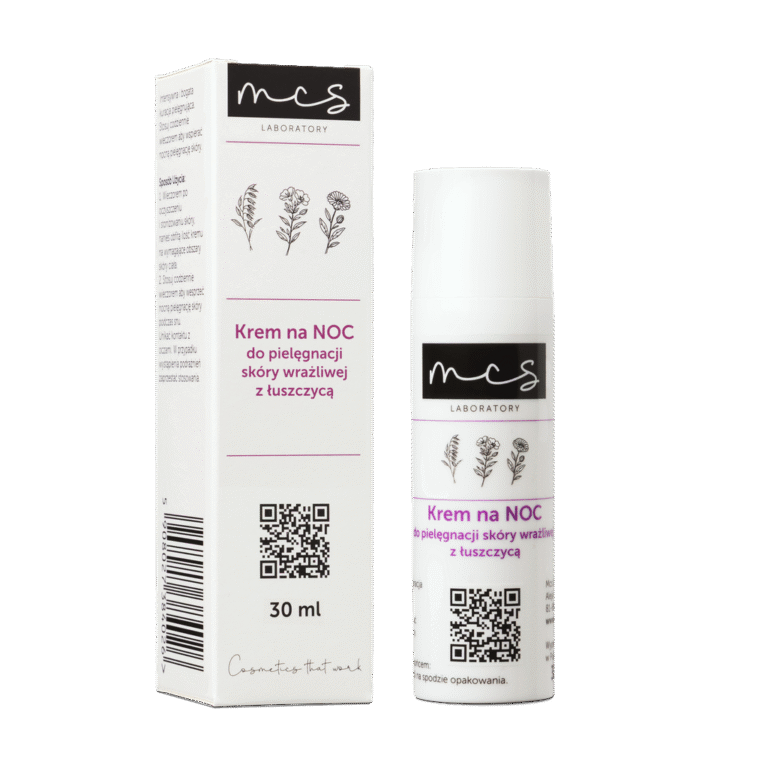
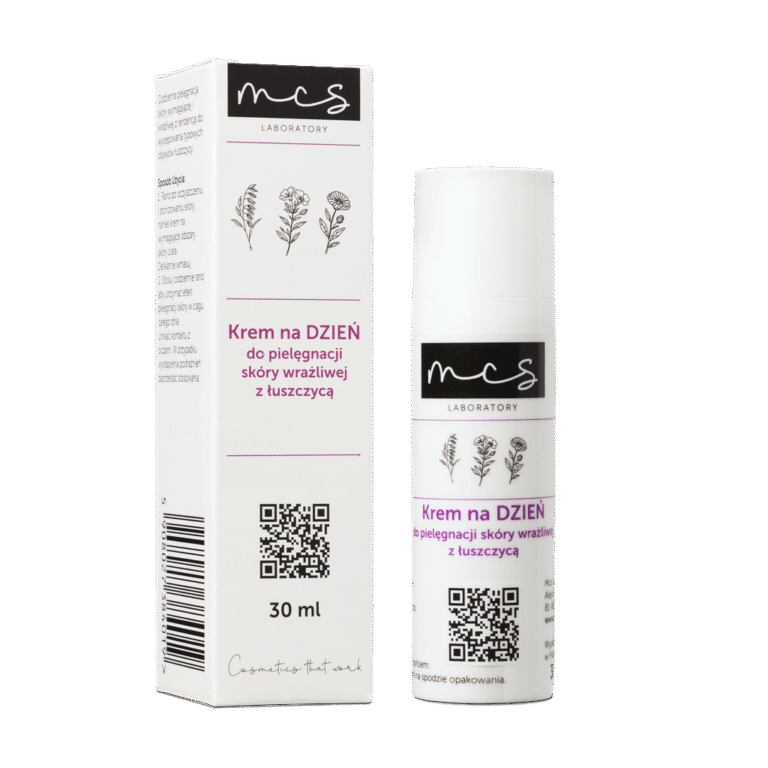
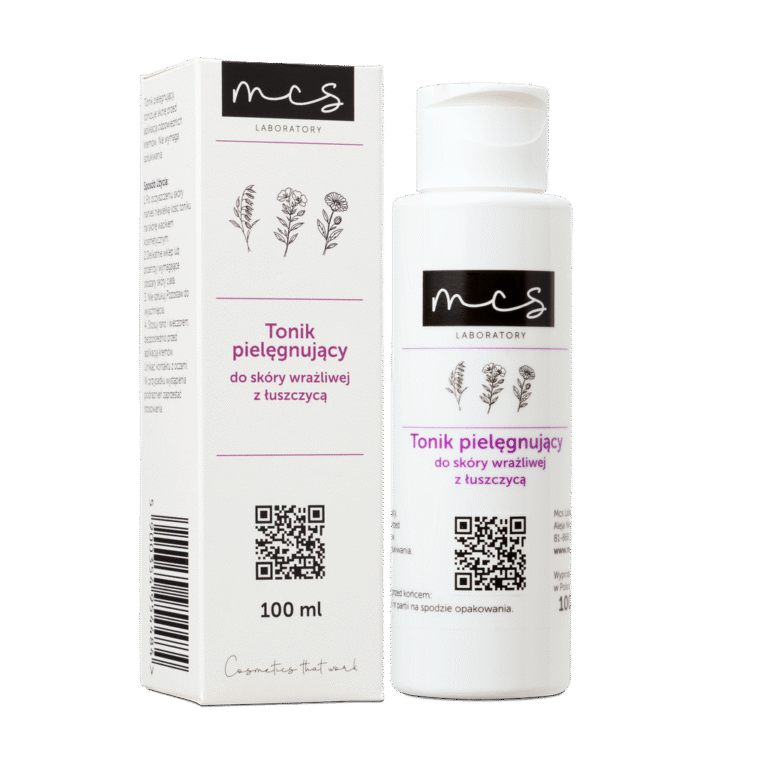
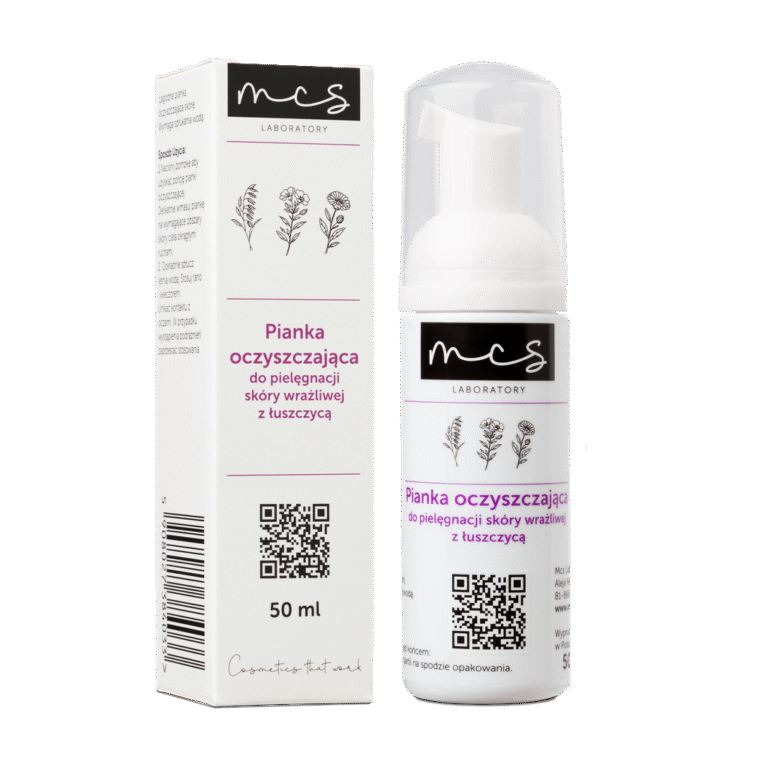
The scales should not be ripped off, they should be patiently softened so that they themselves separate from the epidermis in a gentle manner. Extreme, deep lubrication is key in this process, which will simultaneously make the cracked, painful skin underneath more pliable.At MCS Laboratory, we have developed a treatment that acts as a soothing compress for psoriatic skin:- Shea Butter and Cupuacu Butter: These are powerful natural emollients. They form an occlusive film on the surface of the husk that prevents water from escaping, deeply nourishes and makes the stiff husk soft and supple, facilitating injury-free exfoliation.
- Evening primrose oil: Provides invaluable gamma-linolenic acids (GLA) that penetrate deep into the epidermis, sealing it and restoring its elasticity.
- Ceramides and Ectoin: Once the scales are off, these two ingredients spring into action to rebuild the “bare” epidermis, protecting it from dryness and inflammation.
Summary: You can’t win against psoriasis with force. Fighting scales requires patience, gentleness and a powerful dose of lipids. Replace mechanical friction with smart, deep lubrication, and your skin will finally breathe.
Important / Disclaimer: The information contained in this article is for educational and cosmetic purposes only. They do not constitute medical advice, diagnosis or treatment recommendations.
This information is for educational and cosmetic purposes only and is not intended to replace professional medical advice, diagnosis, or treatment.
This information is for educational and cosmetic purposes only and is not intended to replace professional medical advice, diagnosis, or treatment.