Psoriasis isn’t just about smooth skin. How can you recognize and treat lesions on the scalp and nails? Many patients struggle unsuccessfully for months with “persistent dandruff,” buying one strong antifungal shampoo after another. It’s only after a visit to a dermatologist’s office that they realize the problem may lie elsewhere entirely. Psoriasis is very good at disguising itself.
Dandruff or Psoriasis? How to Tell the Difference Between Flakes in Your Hair
The scalp is one of the most common primary sites for psoriasis. How can you tell it apart from ordinary dandruff?- Scope: Dandruff is usually limited to the scalp itself. Psoriasis forms thick, hard scales that very often extend beyond the hairline (known as a “psoriatic crown”)—appearing on the nape of the neck, behind the ears, or on the forehead.
- Structure: Dandruff consists of small, white, soft flakes. Psoriatic scales are thick, silvery, and firmly attached to the skin. Attempting to forcibly remove them causes pinpoint bleeding.
Warning: Do not scratch or scrub!
The biggest mistake people make when dealing with scalp psoriasis is aggressive exfoliation, scrubbing with sharp combs, and using harsh cleansers. Any mechanical damage to the hair follicles triggers the Koebner phenomenon—that is, the immediate appearance of new, even thicker lesions at the site of injury. Care for these areas must be extremely gentle, based on slowly softening the skin (e.g., with appropriately selected emollients or, for example, salicylic acid-based products prescribed by a doctor), followed by gentle cleansing.Psoriasis at Your Fingertips: Nail Changes
Another problematic—and often overlooked—area is the nails. Psoriatic lesions on the nail plates are sometimes mistaken for fungal infections. There are two main symptoms:- Thimble-like pitting: The presence of small, regular indentations on the nail plate (resembling the pricks of a needle on a seamstress’s thimble).
- Symptom of an oil spot: Yellowish-brown spots visible through the nail, resulting from the accumulation of cells under the nail plate.
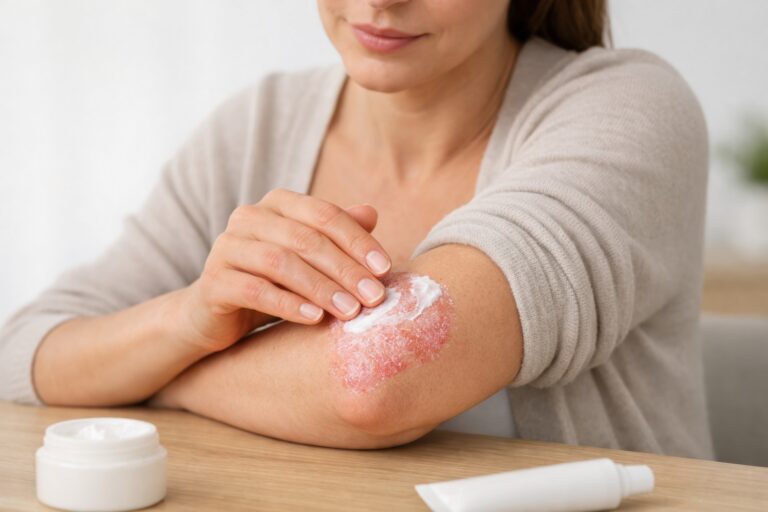
Summary: In the case of nail psoriasis, mechanical protection (always wear gloves when doing housework) and avoiding cutting cuticles are crucial, as this protects the delicate nail matrix from inflammation. Always make sure to keep your entire hands well-moisturized with products rich in nutrients.
Important / Disclaimer: The information contained in this article is for educational and cosmetic purposes only. They do not constitute medical advice, diagnosis or treatment recommendations.
This information is for educational and cosmetic purposes only and is not intended to replace professional medical advice, diagnosis, or treatment.
This information is for educational and cosmetic purposes only and is not intended to replace professional medical advice, diagnosis, or treatment.
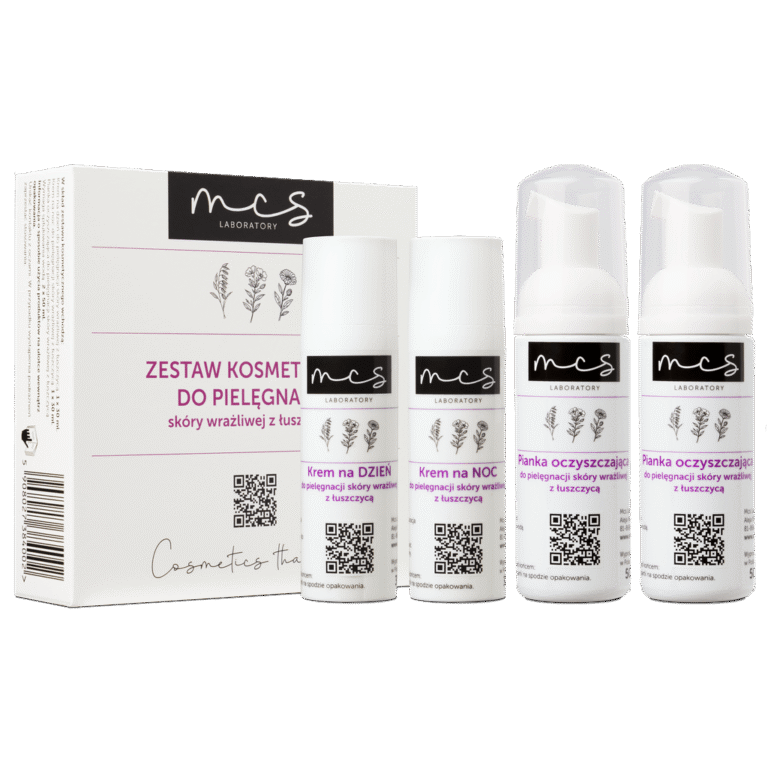
Rated 5.00 out of 5 based on 19 customer ratings
( 20 reviews) 239,00 zł
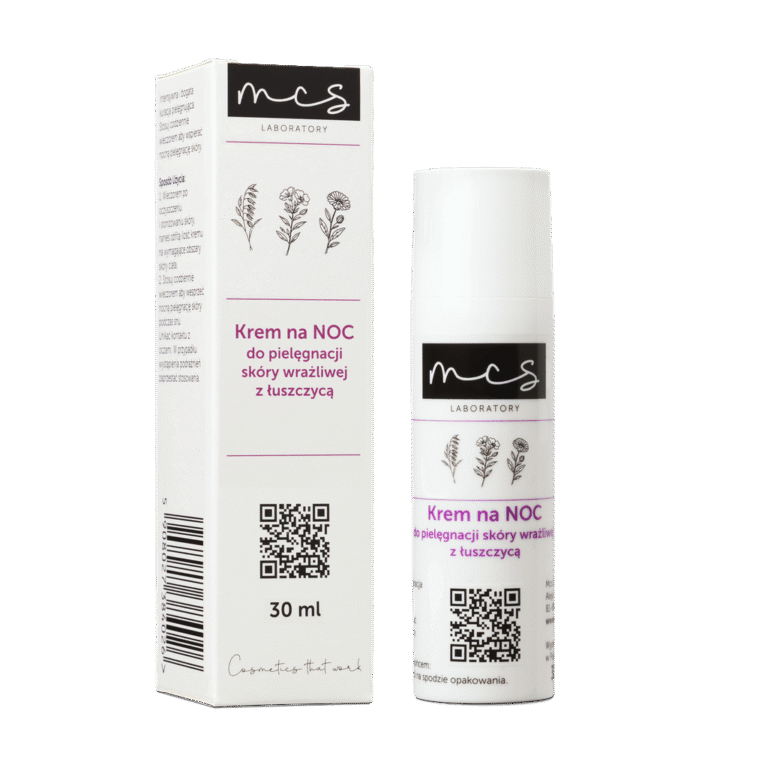
Rated 5.00 out of 5 based on 3 customer ratings
( 3 reviews) 99,00 zł
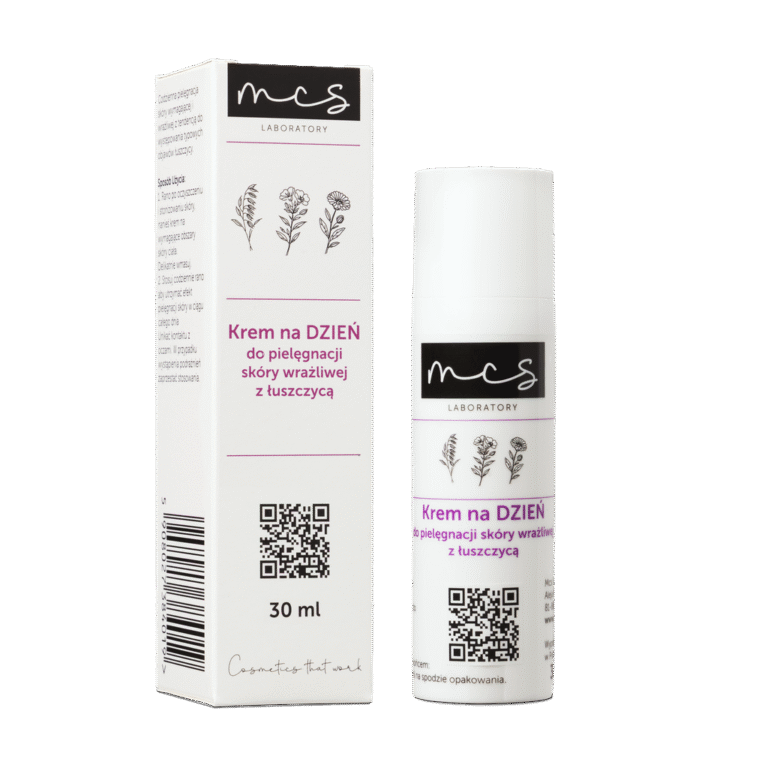
Rated 5.00 out of 5 based on 3 customer ratings
( 4 reviews) 89,00 zł
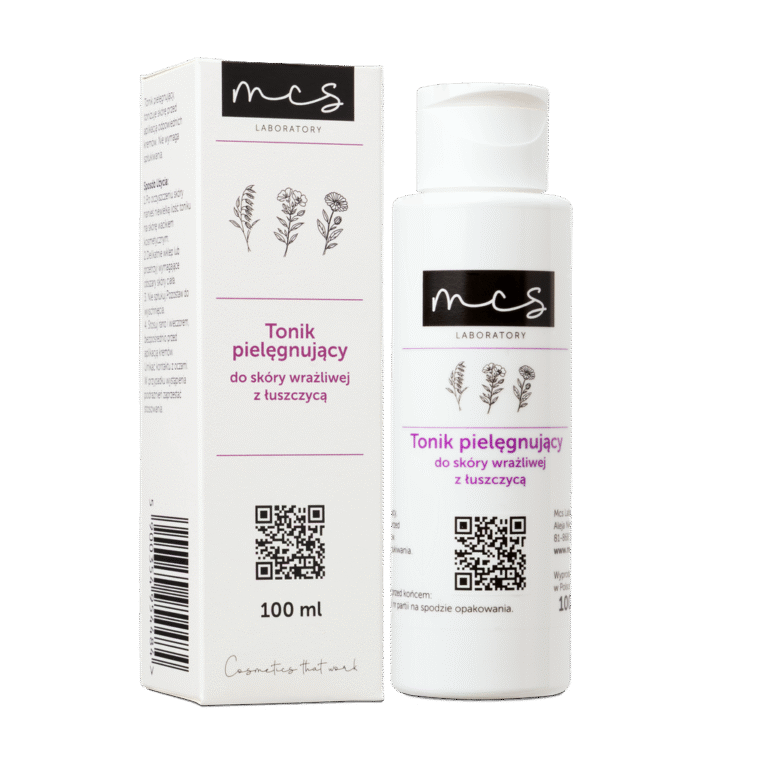
Rated 5.00 out of 5 based on 1 customer rating
( 1 review) 69,00 zł
Rated 5.00 out of 5 based on 2 customer ratings
( 2 reviews) 39,00 zł