Diet and skin problems – does nutrition affect acne?
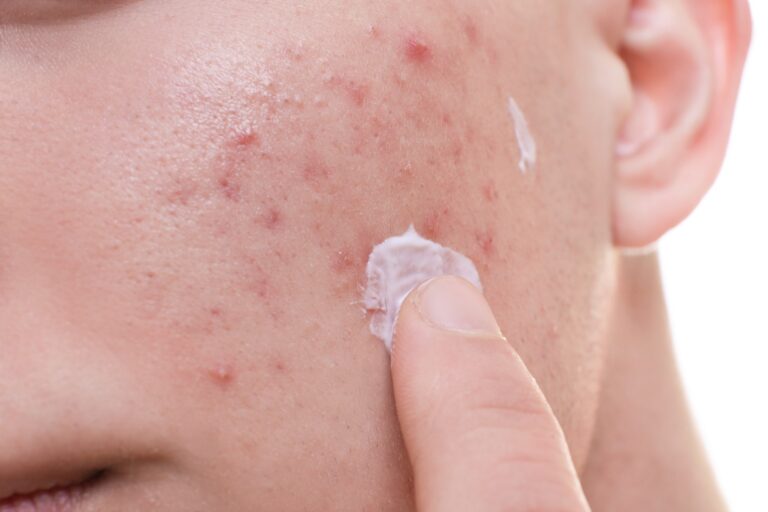
Definitely yes. Food is fundamental to the functioning of the entire body, including our greatest protective barrier – the skin. What we put on our plate directly affects the appearance of our complexion. A well-balanced diet can calm inflammation and significantly alleviate acne symptoms, while some foods act as an incendiary, stimulating sebaceous glands to work harder and promote the formation of new pimples.
What to avoid. People struggling with acne should first of all limit products with a high glycemic index (e.g. sugar, candy, white bread). These cause rapid insulin spikes, which directly fuels the overproduction of sebum. It is also advisable to reduce dairy (especially cow’s milk), excess salt, saturated and trans fats (fast food) and highly processed foods.
Key vitamins and minerals in an anti-acne diet
To noticeably improve the condition of your complexion, it is worth ensuring that your daily menu does not lack substances with regulatory, antioxidant and anti-inflammatory properties:
-
Vitamin A
Helps regulate sebum production, prevents excessive keratinization of the epidermis (which leads to blocked pores) and has strong regenerative and anti-aging properties. It is found in products such as carrots, yams, dark green leafy vegetables, fatty fish and yellow and orange fruits.
-
B vitamins
Are extremely important for the health of the hydrolipid barrier. Vitamin B3 (niacin) has proven anti-inflammatory effects, and riboflavin (B2) is involved in the production of red blood cells, which supply oxygen to skin cells. The main sources are meat, fish, eggs, whole grains and nuts. -
Vitamin C
Exhibits powerful antioxidant properties, promotes collagen production and fights free radicals. In the context of acne, it brilliantly brightens and accelerates the healing of acne blemishes. It can be found in citrus, strawberries, parsley, spinach, peppers and kiwi. -
Vitamin D
Regulates the processes of skin cell proliferation and death, and strongly calms inflammation (its deficiency often correlates with the severity of acne). Synthesized in the skin under the influence of the sun, in food it is available, among others, in oily sea fish and eggs. -
Vitamin E
Antioxidant that protects skin from photoaging and prevents sebum oxidation (oxidized sebum clogs pores faster). It is found in nuts, seeds, spinach, broccoli and natural vegetable oils. -
Zinc
The absolute foundation of anti-acne treatments. It has strong antibacterial and anti-inflammatory properties, plus it speeds up the healing process of skin lesions. It is found in meat, seafood, pumpkin seeds, seeds, nuts and whole grain cereal products. -
Selenium
It works synergistically with vitamin E, relieves inflammation and protects cells from oxidative stress. Products rich in this element are primarily Brazil nuts (just 2-3 pieces cover the daily requirement!), as well as fish and eggs. -
Omega-3 acids
They are essential for maintaining the fluidity of cell membranes and deeply hydrating the complexion from within. They calm inflammation throughout the body by neutralizing the pro-inflammatory effects of Omega-6 acids. Their best sources are oily fish, flaxseed oil, walnuts and chia seeds.