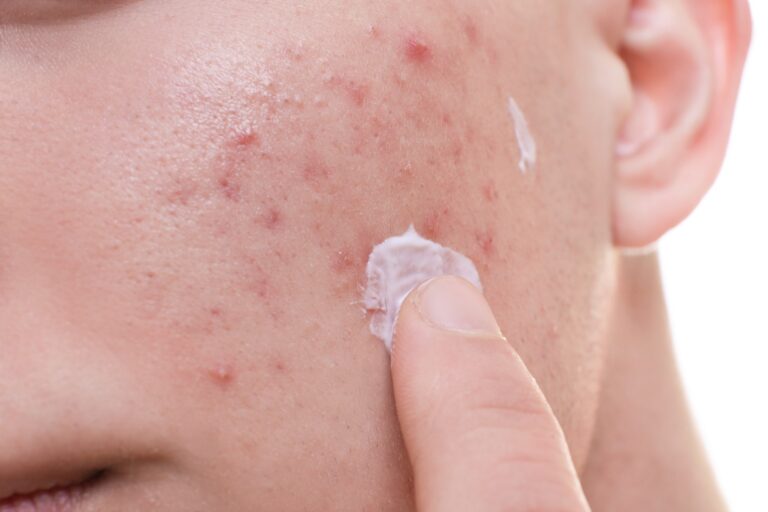
Hyperpigmentation and Scars (PIH). How can you avoid leaving “scars” during the active inflammatory phase? When a painful, inflamed lesion appears on the face, our instinct is to seek the quickest (and most drastic) solutions. We want to dry out the pimple with spot treatments, and often try to physically squeeze it out as well. The result? It does disappear faster, but a dark red or brown spot appears in its place. This is PIH, or post-inflammatory hyperpigmentation, which is much harder to remove than the acne itself.
Why does the skin “remember” acne?
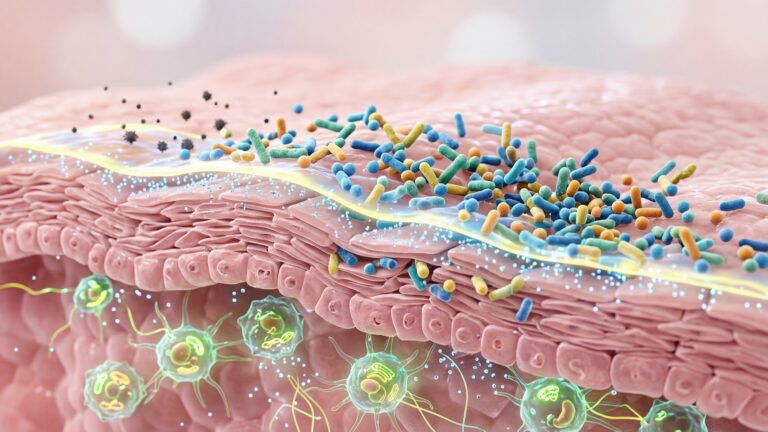
A dark spot is your body’s defense mechanism. When you excessively dry out a blemish or squeeze it (physically tearing the tissue), you cause massive oxidative stress in that area. In response to this injury, melanocytes (the pigment-producing cells in the skin) become overactive, releasing massive amounts of melanin. Meanwhile, the broken skin heals by forming a hard scab, under which collagen fibers cannot regenerate properly—this is how indentations and atrophic scars form.
The Secret to Healing: A Moist Environment
In modern dermatology, the practice of aggressively “burning” lesions is being phased out. Every wound (and that is exactly what a ruptured acne lesion is) heals fastest and most effectively in a moist environment. When the skin is balanced and optimally hydrated, regenerative cells can move freely and rebuild the damaged area without forming a scab and without triggering excess melanin production.
Two Steps to Clear Skin
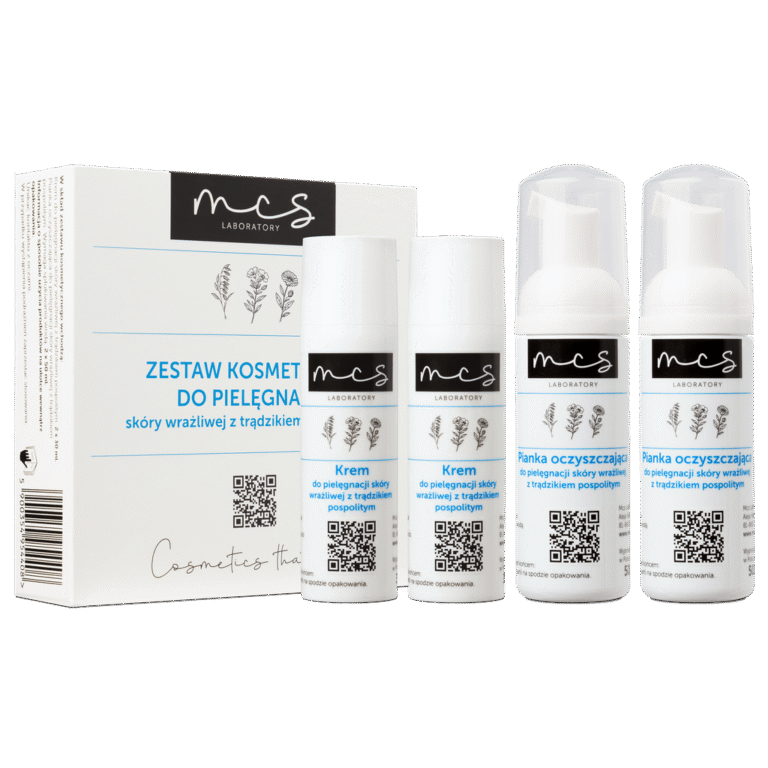
Fighting acne vulgaris doesn’t require complicated, multi-step routines, but it does require wisdom. The MCS Laboratory skincare set for sensitive skin with acne vulgaris was designed with minimalism and effectiveness in mind, consisting of just two powerful steps:
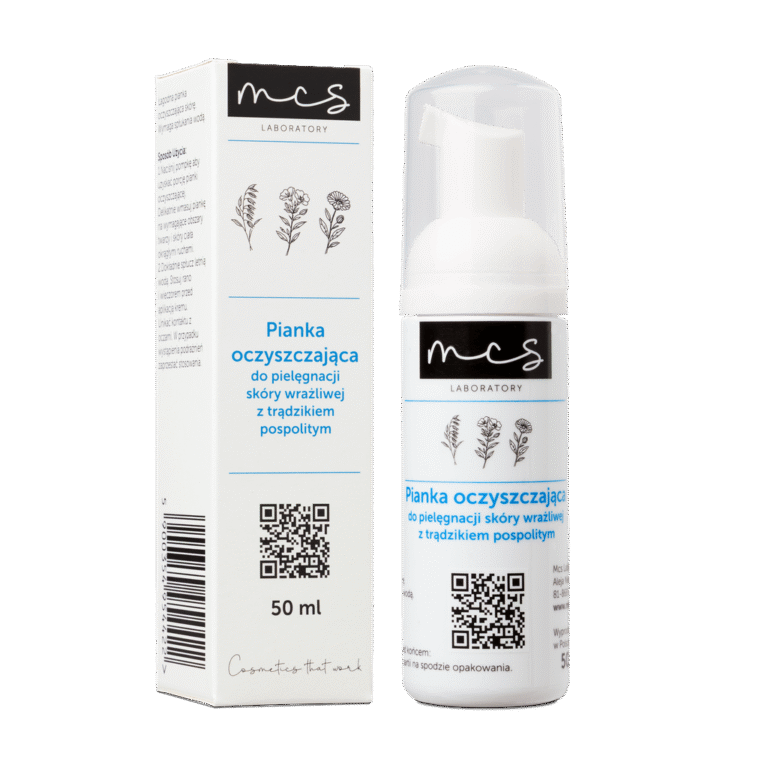
- Gentle Cleansing (Foam): Removes excess sebum and impurities, but unlike popular cleansing gels, it does not disrupt the skin’s lipid barrier.
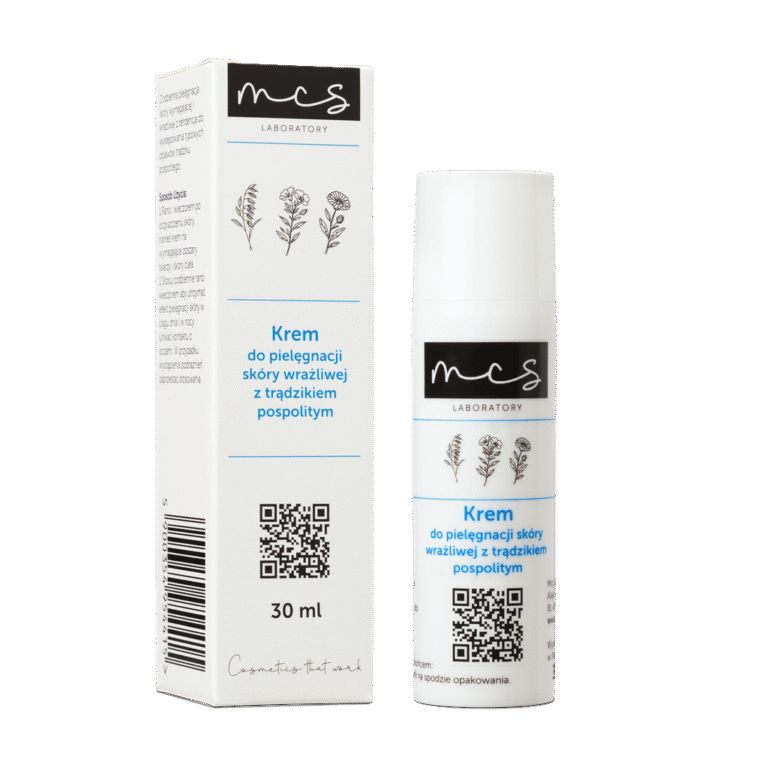
- Balancing and Protection (Moisturizing Cream): This is the heart of the treatment. Instead of simply mattifying the skin and dehydrating it, our cream targets Cutibacterium acnes bacteria while providing deep hydration to the skin.
Summary: We create an environment on the skin where inflammation is effectively suppressed and damaged tissue is provided with optimal conditions for regeneration. The result? Eczema disappears, and the skin remains smooth and even-toned.
This information is for educational and cosmetic purposes only and is not intended to replace professional medical advice, diagnosis, or treatment.